Your First Western Saddle: Prepare for the Fitting
Buying a first western saddle can feel like learning a new vocabulary while making a major equipment decision. A fitting appointment becomes more useful when the rider arrives with clear information about the horse, the riding, and the problems the purchase needs to solve. Preparation does not require knowing every technical term; it requires asking questions that connect the equipment to its actual use.
Before browsing dozens of listings, write down the essentials in plain language. Explain what riding you do now, what equipment you have used, and where you need help. That gives a trainer, fitter, or retailer a practical starting point for the conversation.
Describe the Riding You Do Now
Begin with the activity the saddle will support most often. Lessons, recreational trail rides, cattle work, and a specific competitive event can lead to different equipment discussions. Explain the regular routine instead of selecting a style solely because it resembles a saddle used by an admired rider.
Separate current needs from possible future interests. Wanting to try an event later is useful context, but it does not automatically make a specialized saddle the right first purchase. Ask which compromises a proposed style would involve for the riding already on the schedule.
A trainer can help define these requirements, especially when the rider is still learning. Bring questions about position, comfort, and handling to that discussion. The purpose is to decide what the saddle needs to support before comparing decorative choices.
If more than one rider or horse is involved, say so at the start. Do not assume that a single purchase will suit every combination. Ask how each intended pairing would be evaluated and what the limits of that plan might be.
Bring Useful Information About Horse and Rider
Ask the person conducting the assessment what information they want in advance. That might include photographs, existing saddle details, or a description of previous fit concerns. Follow their requested format rather than collecting measurements without knowing how they will be used.
Describe the horse’s current work and any recent changes that may be relevant to the discussion. Keep observations factual: what happened, when it happened, and which equipment was being used. Avoid diagnosing a fit problem from a photograph or a single sign.
For the rider, note what felt comfortable or awkward in saddles already tried. A description such as difficulty finding a balanced position gives the professional a question to investigate. It is more useful than assuming that a particular seat-size label will solve the problem.
Bring the intended riding clothing and boots if requested for the appointment. Ask whether the usual pad and other tack should also be available. A practical assessment should consider the planned equipment combination, with professional guidance on how it is used.
Know What the Appointment Needs to Answer
Horse fit and rider fit are related parts of the purchase, but they are not the same question. A saddle that feels comfortable to the rider still needs to be assessed on the horse. Equally, an apparently promising match for the horse does not finish the rider’s evaluation.
Ask the professional to explain the assessment in terms you understand. Find out what supports the recommendation, what remains uncertain, and whether another option should be considered. Clear explanations help the rider recognize why a choice was made instead of remembering only a model name.
Use a short list to keep the appointment focused:
- Does the proposed saddle suit the intended riding activity?
- What was checked for the horse, and what did the assessment show?
- Can the rider maintain an appropriate, comfortable position?
- Which pad and other equipment were included in the evaluation?
- Are adjustments, another appointment, or a permitted trial needed?
- What would justify reassessing the setup after purchase?
Take notes before leaving, especially if several saddles were considered. Record the exact item or model and the reasons for the recommendation. If the next step involves ordering a different configuration, ask how its suitability will be confirmed.
Plan the Purchase and the First Weeks of Use
Budget for the complete setup rather than only the saddle. Confirm which accessories are supplied and which items are required separately. Include any agreed professional assessment or follow-up in the plan so it does not become an afterthought.
Before payment, clarify the conditions for a trial or return and get the answers in writing. Ask what use is permitted, when the evaluation period begins, and how any return must be arranged. Do not assume that trying the saddle on a horse and riding in it are treated identically under the policy.
Keep the care instructions for the materials and finish supplied. Ask what routine checks the professional recommends and how to report a concern. If the horse or rider appears uncomfortable, pause the evaluation and seek appropriate help rather than trying to force the purchase to work.
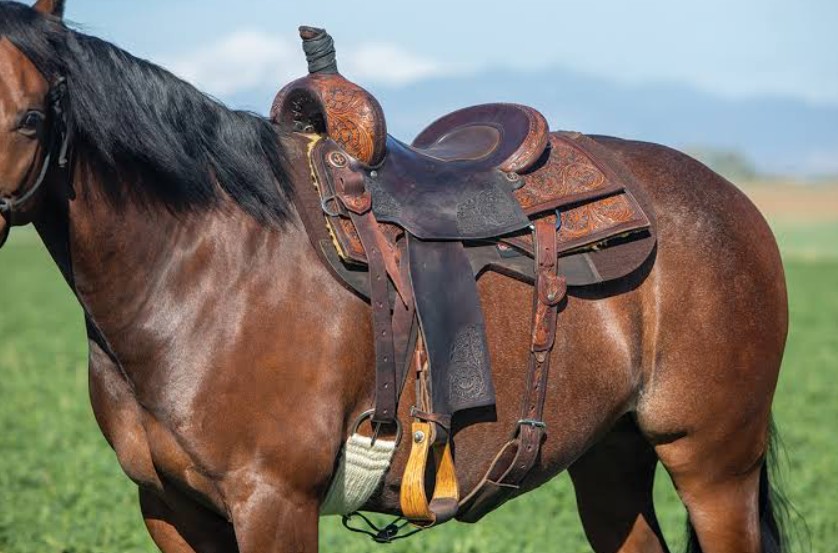
A first western saddle is easier to choose when the consultation has a clear purpose and a written outcome. Use the selection at Saddle Up Colorado as a starting point for a conversation about riding needs, then evaluate the actual options with qualified help. Leave with both a suitable purchase plan and an understanding of how that decision was reached.